Would you like to switch to the accessible version of this site?

Go to accessible site Close modal window

Don't need the accessible version of this site?

Hide the accessibility button Close modal window
Accessibility View Close toolbar
Citrus Park Animal, Bird & Exotics Hospital

7607 Ehrlich Rd

Tampa, FL 33625 US

(813) 920-6656

Open mobile navigation
  • Home
  • New Patient Center
    • Online Forms
    • What to Expect
    • Veterinary Resources
    • Payment Options
  • About Us
    • Services
    • Meet Our Team
  • Contact Us
  • Petsimonials
  • FAQ
  • Boarding
  • Grooming
  • Online Pharmacy
  • Veterinary Topics
    • Pet Health
      • Chronic Conditions
      • Digestive and Oral Health
      • Diseases and Viruses
      • Pests and Parasites
      • Orthopedics
    • Today's Veterinarian
    • Choosing Your Pet
      • Finding Your Pet
      • Cats
      • Dogs
      • Exotics
        • Amphibians
        • Birds
        • Reptiles
          • Lizards
          • Turtles
      • Small Mammals
        • Ferrets
        • Rabbits
        • Domesticated Animals
          • Prairie Dogs
        • Pocket Pets
          • Chinchillas
          • Guinea Pigs
          • Hamsters
          • Hedgehogs
          • Rats
      • Livestock
        • Cows
        • Donkeys, Horses & Mules
        • Goats
        • Pigs
        • Poultry
        • Sheep
    • Living With Your Pet
      • Bringing Your Pet Home
      • Children and Pets
      • Providing Care
      • Travel
      • Saying Goodbye
    • Newsletter Library
      • Cats
      • Tips for Pet Owners
      • Behavior & Training
      • Fleas & Parasites
      • Keeping Pets Healthy
      • Recognizing Illness
      • Nutrition & Food
      • Pet Dangers
      • Seasonal Topics
      • Visiting the Vet
      • Equine
      • Newsletter Archive
        • Fun with Pets
        • Unbelievable Pets
    • Video Newsroom
      • Health Topics
      • Technology and Science
      • Other Interests
    • Newsletter Library
    • Client Survey
    • Pets4Kids
  • Home >
  • Articles >
  • Newsletter Library >
  • Recognizing Illness >
  • Pet Vomit - You Just Received a Message!

Pet Vomit - You Just Received a Message!

  • Created in Newsletter Library, Recognizing Illness
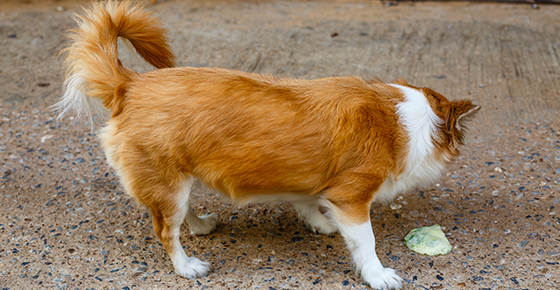
Image of a dog vomiting.

Animals may vomit when something irritates, inflames or causes an infection in their intestinal tract. The location of the irritation, inflammation or infection may also determine the color of your pet's vomit and the reason for the upchucking.

Many things can irritate, inflame or infect an animal's intestinal tract. Look around your home. There are toys, plants, foods, sharp objects, shoelaces, string, rubber bands, cleaning supplies, ant spray, rat poison, medications, vitamins, wasp spray, spot removers, parts, pieces, staples, soaps, sponges...and the list goes on.

Other causes of irritation, infection and inflammation in an animal's intestinal tract that generate bleeding may have a genetic basis, be caused by parasites, a tumor, an ulceration or toxins.

If you know your pet ate something out of the ordinary or unhealthy, then make that call and get your veterinarian involved before you do anything else. Your vet can guide you with the next steps to take.

Your pet's vomit will be red, yellow or green. The color will help your veterinarian with treatment recommendations and drug therapy to calm and heal the intestinal tract.

Vomit that is red is easy to remember. Think of the red as a "red flag" - an urgent warning like red lights at a railroad crossing or emergency vehicle. Red vomit demonstrates that there is active bleeding in the intestinal tract. Keep in mind that the blood may be varying shades of red and the color can run the range from red to black. If your pet's vomit has the appearance of coffee grounds something serious is going on in its body.

Yellow vomit typically represents food that is regurgitated directly from the stomach area. It's in the early stages of the digestion process. If your pet's vomit is yellow and they have not eaten yellow foods or foods treated or prepared with yellow food coloring, their vomit is likely from the stomach area.

Green vomit usually indicates that the food or substance was brought up from a location after the stomach. The addition of bile to the vomit substance will appear green or greenish.

"If your pet vomits and looks ill in any way, there is blood or unusual objects in the vomit, see a veterinarian IMMEDIATELY," advises Jan Becker, DVM. Dr. Becker further suggests in Dog or Cat Vomit: Green, Yellow and Blood Colored that pet owners not cut or reduce the length of any stringy material pets have ingested. The veterinarian may be able to extract the substance without a complete surgical procedure. String and stringy materials can tie up the intestines and create life threatening blockages.

Call your veterinarian immediately and get your pet in for a consultation. Your vet will begin measures to restore balance and well being to your pet's intestinal tract. The information you provide will help your doctor know what occurred before you arrived at their office. Be alert and aware about your pet's habits. Keep your pet's environment free of dangerous or harmful objects and substances.

How to Clean Pet Vomit From Carpet by Ryan Gargulinski provides clean-up suggestions to use after you know your pet is alright:

  • Use paper towels to scoop up the vomit.
  • Use a wet cloth or rag to pull upward from the carpet fibers.
  • Pet store cleaning solutions and deodorizers can be added to ensure stain removal and removal of unpleasant fragrances.
  • Dry the area completely.
  • Prevent pet activity in the area until dry.
  • Pet Health
    • Chronic Conditions
    • Digestive and Oral Health
    • Diseases and Viruses
    • Pests and Parasites
    • Orthopedics
  • Today's Veterinarian
  • Choosing Your Pet
    • Finding Your Pet
    • Cats
    • Dogs
    • Exotics
      • Amphibians
      • Birds
      • Reptiles
        • Lizards
        • Turtles
    • Small Mammals
      • Ferrets
      • Rabbits
      • Domesticated Animals
        • Prairie Dogs
      • Pocket Pets
        • Chinchillas
        • Guinea Pigs
        • Hamsters
        • Hedgehogs
        • Rats
    • Livestock
      • Cows
      • Donkeys, Horses & Mules
      • Goats
      • Pigs
      • Poultry
      • Sheep
  • Living With Your Pet
    • Bringing Your Pet Home
    • Children and Pets
    • Providing Care
    • Travel
    • Saying Goodbye
  • Newsletter Library
    • Cats
    • Tips for Pet Owners
    • Behavior & Training
    • Fleas & Parasites
    • Keeping Pets Healthy
    • Recognizing Illness
    • Nutrition & Food
    • Pet Dangers
    • Seasonal Topics
    • Visiting the Vet
    • Equine
    • Newsletter Archive
      • Fun with Pets
      • Unbelievable Pets
  • Video Newsroom
    • Health Topics
    • Technology and Science
    • Other Interests
  • Newsletter Library
  • Client Survey
  • Pets4Kids

Quick Links

  • Services

    We strive to provide complete care for our patients. Learn more about all the services we provide.
  • Make An Appointment

    We will do our best to accommodate your busy schedule. Schedule an appointment today!
  • Online Forms

    Our patient forms are available online so they can be completed in the convenience of your own home or office.

Office Hours

Monday:

7:30 am-6:00 pm

Tuesday:

7:30 am-6:00 pm

Wednesday:

7:30 am-6:00 pm

Thursday:

7:30 am-6:00 pm

Friday:

7:30 am-6:00 pm

Saturday:

7:30 am-1:00 pm

Sunday:

Closed

Location

Find us on the map

Testimonial

  • "I would recommend this clinic, the doctor is knowledgeable and friendly to my pets. The fees seem fair and they never hesitate to give an estimate if asked. My pets are happy with this Dr. so that makes me happy!"
    S.E. Tampa, FL

Featured Articles

Read about interesting topics

    March Newsletter: How to Keep Your Cat Safe When Outdoors

    Wondering how your cat can safely spend time outdoors? ...

    Read More

    March Newsletter: How to Choose Safe Blankets for Pets

    Do you know how to pick a safe blanket for your pet? ...

    Read More

    February Newsletter: How to Reduce Dental Anxiety in Pets

    Does your pet hate toothbrushing? These tips could reduce dental anxiety. ...

    Read More

    February Newsletter: How to Safely Change Your Cat’s Food

    Buying a new food for your cat? Find out how to switch foods safely. ...

    Read More

    January Newsletter: Signs Your Pet Needs a Wellness Exam

    Does your pet need a wellness exam? ...

    Read More

    January Newsletter: How Your Veterinarian Can Help If Your Pet Ingests Something Toxic

    Has your pet eaten something it shouldn't have? Find out how your vet can help. ...

    Read More

    December Newsletter: Signs Your Pet Needs a Professional Cleaning

    Do you know when your pet needs a professional cleaning? ...

    Read More

    December Newsletter: Simple Ways to Keep Your Home Flea-Free for Your Pet’s Well-being

    Never want to see another flea again? Try these tips for a flea-free home. ...

    Read More

    November Newsletter: The Importance of Bloodwork for Your Pet’s Health

    Wondering if your pet really needs bloodwork? Find out the benefits of blood tests for your furry friend. ...

    Read More

    November Newsletter: Turkey Day Tips for Pet Owners

    Don't forget about your pet when making Turkey Day preparations. ...

    Read More

Newsletter Sign Up

Error!

    Connect With Us

    • Copyright © 2026 MH Sub I, LLC dba iMatrix.
    • Admin Log In
    • Site Map