Would you like to switch to the accessible version of this site?

Go to accessible site Close modal window

Don't need the accessible version of this site?

Hide the accessibility button Close modal window
Accessibility View Close toolbar
Citrus Park Animal, Bird & Exotics Hospital

7607 Ehrlich Rd

Tampa, FL 33625 US

(813) 920-6656

Open mobile navigation
  • Home
  • New Patient Center
    • Online Forms
    • What to Expect
    • Veterinary Resources
    • Payment Options
  • About Us
    • Services
    • Meet Our Team
  • Contact Us
  • Petsimonials
  • FAQ
  • Boarding
  • Grooming
  • Online Pharmacy
  • Veterinary Topics
    • Pet Health
      • Chronic Conditions
      • Digestive and Oral Health
      • Diseases and Viruses
      • Pests and Parasites
      • Orthopedics
    • Today's Veterinarian
    • Choosing Your Pet
      • Finding Your Pet
      • Cats
      • Dogs
      • Exotics
        • Amphibians
        • Birds
        • Reptiles
          • Lizards
          • Turtles
      • Small Mammals
        • Ferrets
        • Rabbits
        • Domesticated Animals
          • Prairie Dogs
        • Pocket Pets
          • Chinchillas
          • Guinea Pigs
          • Hamsters
          • Hedgehogs
          • Rats
      • Livestock
        • Cows
        • Donkeys, Horses & Mules
        • Goats
        • Pigs
        • Poultry
        • Sheep
    • Living With Your Pet
      • Bringing Your Pet Home
      • Children and Pets
      • Providing Care
      • Travel
      • Saying Goodbye
    • Newsletter Library
      • Cats
      • Tips for Pet Owners
      • Behavior & Training
      • Fleas & Parasites
      • Keeping Pets Healthy
      • Recognizing Illness
      • Nutrition & Food
      • Pet Dangers
      • Seasonal Topics
      • Visiting the Vet
      • Equine
      • Newsletter Archive
        • Fun with Pets
        • Unbelievable Pets
    • Video Newsroom
      • Health Topics
      • Technology and Science
      • Other Interests
    • Newsletter Library
    • Client Survey
    • Pets4Kids
  • Home >
  • Articles >
  • Newsletter Library >
  • Keeping Pets Healthy >
  • What You Need to Know About Antibiotics

What You Need to Know About Antibiotics

  • Created in Newsletter Library, Keeping Pets Healthy
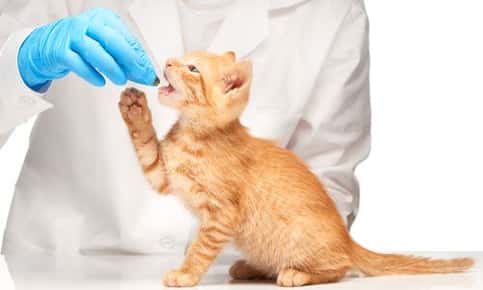
A picture of a veterinarian giving a small orange kitten a pill.

People and pets routinely died from infections before penicillin, the first antibiotic, was introduced in the first half of the 20th century. Today, veterinarians use antibiotics to treat many types of bacterial infections, including skin, respiratory and gastrointestinal infections. Although antibiotics can help your pet avoid serious illness or even death, they can lead to other problems if they're not used correctly. Understanding how and when the drugs should be used will help you ensure that your furry friend truly benefits from these life-saving medications.

Antibiotics Are Not Cure-Alls

Antibiotics have a very specific purpose: killing bacteria. If your pet has a viral or fungal infection, an antibiotic will be ineffective. Antibiotics, like all medications, have side effects. Taking a course of antibiotics can upset your pet's stomach and cause vomiting or diarrhea, in some cases. Antibiotic use may also increase the risk of a yeast infection. The benefits of antibiotics outweigh the risk of side effects or secondary infections when your pet actually has a bacterial infection. If your cat, dog, guinea pig or other pet doesn't have a bacterial infection, you'll needlessly subject them to these uncomfortable health issues if you give them antibiotics.

Dosages Matter

Veterinarians calculate antibiotics dosages based on the type of pet, weight and the particular infection. Some pet owners try to save a little money by using their prescriptions for their pets. Although amoxicillin, penicillin and tetracycline are often used for both pets and people, the dosage you take is probably too strong for your pet. Even if you cut the pill in half, the dosage may still be too high. Sharing antibiotics between animals isn't a good idea either, as the dosage each pet needs may vary.

Prescribing Antibiotics When They're Not Needed Can Increase Your Pet's Resistance to the Drugs

If you've had an ear or sinus infection lately, you probably know that doctors now take a "wait and see" approach to prescribing antibiotics for the infections. Because these illnesses are often caused by viruses, antibiotics may do no good and might increase your resistance to the antibiotic. If you become resistant to an antibiotic, it will no longer be effective in treating bacterial infections.

The same problem also happens in pets. Using antibiotics too often, particularly when they're not really needed, can increase the chances that your furry or feathered friend will become resistant.

Treating Underlying Problems Can Help Prevent Overuse of Antibiotics

If your pet has frequent infections, blood and other tests may be recommended to determine the source of the problem. For example, allergies may be the reason that your pet develops so many skin infections. Treating the allergies will stop the infections and reduce your furry friend's reliance on antibiotics.

Stopping Antibiotics Too Early Can Cause Problems

When giving your pet a pill seems a lot like wrestling an alligator, it may be tempting to stop providing the medication once your pet seems better. Unfortunately, if you don't give your pet the entire course of antibiotics, the symptoms can come back. Failing to finish antibiotics can also increase antibiotic resistance.

If your pet misses a dose, it's fine to give him or her the medication as soon as you realize it's needed, as long as it's only been a few hours since the antibiotic should have been taken. If it's almost time for the next pill, don't give your pet the missed dose. Instead, provide the next dose at the scheduled time.

When to Call the Veterinarian

There's no point in continuing to give your pet an antibiotic that doesn't work or causes severe side effects. Call the veterinarian if your pet's condition doesn't improve or worsens after taking antibiotics for two or three days. If your pet experiences difficulty breathing, hives, seizures or severe weakness, seek immediate emergency care. These potentially life-threatening symptoms can occur if your pet develops an allergic reaction to the medication.

It's important to mention other medications, both prescription, over-the-counter and herbal, at the time your pet is prescribed an antibiotic. In some cases, other medications can interact with antibiotics, and either cause unpleasant side effects or decrease the effectiveness of the antibiotic.

Proper use of antibiotics can keep your pet healthy. If you have a question about your pet's antibiotics or are concerned about a health issue, call us to schedule an appointment.

Sources:

American Veterinary Medical Association: Your Pet’s Medications

https://www.avma.org/public/PetCare/Pages/YourPetsMedications.aspx

Dog Guide: Human Antibiotics & Supplements That Are Safe for Dogs

https://dogs.thefuntimesguide.com/dog_antibiotics/

Animal Wellness Magazine: What You Need to Know About Antibiotics for Animals

https://animalwellnessmagazine.com/antibiotics-animals/

  • Pet Health
    • Chronic Conditions
    • Digestive and Oral Health
    • Diseases and Viruses
    • Pests and Parasites
    • Orthopedics
  • Today's Veterinarian
  • Choosing Your Pet
    • Finding Your Pet
    • Cats
    • Dogs
    • Exotics
      • Amphibians
      • Birds
      • Reptiles
        • Lizards
        • Turtles
    • Small Mammals
      • Ferrets
      • Rabbits
      • Domesticated Animals
        • Prairie Dogs
      • Pocket Pets
        • Chinchillas
        • Guinea Pigs
        • Hamsters
        • Hedgehogs
        • Rats
    • Livestock
      • Cows
      • Donkeys, Horses & Mules
      • Goats
      • Pigs
      • Poultry
      • Sheep
  • Living With Your Pet
    • Bringing Your Pet Home
    • Children and Pets
    • Providing Care
    • Travel
    • Saying Goodbye
  • Newsletter Library
    • Cats
    • Tips for Pet Owners
    • Behavior & Training
    • Fleas & Parasites
    • Keeping Pets Healthy
    • Recognizing Illness
    • Nutrition & Food
    • Pet Dangers
    • Seasonal Topics
    • Visiting the Vet
    • Equine
    • Newsletter Archive
      • Fun with Pets
      • Unbelievable Pets
  • Video Newsroom
    • Health Topics
    • Technology and Science
    • Other Interests
  • Newsletter Library
  • Client Survey
  • Pets4Kids

Quick Links

  • Services

    We strive to provide complete care for our patients. Learn more about all the services we provide.
  • Make An Appointment

    We will do our best to accommodate your busy schedule. Schedule an appointment today!
  • Online Forms

    Our patient forms are available online so they can be completed in the convenience of your own home or office.

Office Hours

Monday:

7:30 am-6:00 pm

Tuesday:

7:30 am-6:00 pm

Wednesday:

7:30 am-6:00 pm

Thursday:

7:30 am-6:00 pm

Friday:

7:30 am-6:00 pm

Saturday:

7:30 am-1:00 pm

Sunday:

Closed

Location

Find us on the map

Testimonial

  • "I would recommend this clinic, the doctor is knowledgeable and friendly to my pets. The fees seem fair and they never hesitate to give an estimate if asked. My pets are happy with this Dr. so that makes me happy!"
    S.E. Tampa, FL

Featured Articles

Read about interesting topics

    March Newsletter: How to Keep Your Cat Safe When Outdoors

    Wondering how your cat can safely spend time outdoors? ...

    Read More

    March Newsletter: How to Choose Safe Blankets for Pets

    Do you know how to pick a safe blanket for your pet? ...

    Read More

    February Newsletter: How to Reduce Dental Anxiety in Pets

    Does your pet hate toothbrushing? These tips could reduce dental anxiety. ...

    Read More

    February Newsletter: How to Safely Change Your Cat’s Food

    Buying a new food for your cat? Find out how to switch foods safely. ...

    Read More

    January Newsletter: Signs Your Pet Needs a Wellness Exam

    Does your pet need a wellness exam? ...

    Read More

    January Newsletter: How Your Veterinarian Can Help If Your Pet Ingests Something Toxic

    Has your pet eaten something it shouldn't have? Find out how your vet can help. ...

    Read More

    December Newsletter: Signs Your Pet Needs a Professional Cleaning

    Do you know when your pet needs a professional cleaning? ...

    Read More

    December Newsletter: Simple Ways to Keep Your Home Flea-Free for Your Pet’s Well-being

    Never want to see another flea again? Try these tips for a flea-free home. ...

    Read More

    November Newsletter: The Importance of Bloodwork for Your Pet’s Health

    Wondering if your pet really needs bloodwork? Find out the benefits of blood tests for your furry friend. ...

    Read More

    November Newsletter: Turkey Day Tips for Pet Owners

    Don't forget about your pet when making Turkey Day preparations. ...

    Read More

Newsletter Sign Up

Error!

    Connect With Us

    • Copyright © 2026 MH Sub I, LLC dba iMatrix.
    • Admin Log In
    • Site Map